

Bloomerang® Purple Reblooming Lilac Syringa x
- 3 Gallon Pot

- Sun
- Fall
This plant is hardy in zones 3 - 7
Zones are based on the average annual extreme minimum temperature an area is expected to receive during the winter. They are used to determine whether a plant is likely to be perennial in your area. If the number in the green box below is within the zone range listed for the plant, it will be hardy for you and thrive in your climate.
- 3
- 4
- 5
- 6
- 7
What is my hardiness zone?
-
FEATURES
This variety is no longer available from Proven Winners®. Alternatives include: Bloomerang®Dark Purple.
This variety is no longer available from Proven Winners®. Alternatives include: Bloomerang® Dark Purple. Don't settle for lilac bushes that bloom just once a year - get Bloomerang® lilac and enjoy months of blooms instead of just weeks.
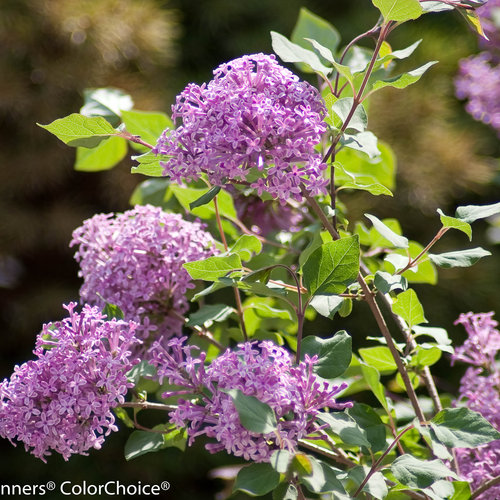
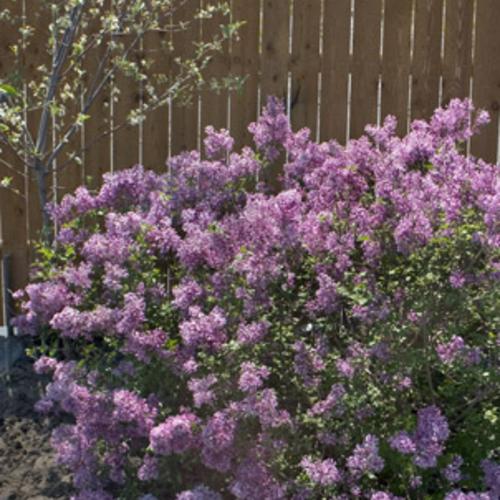
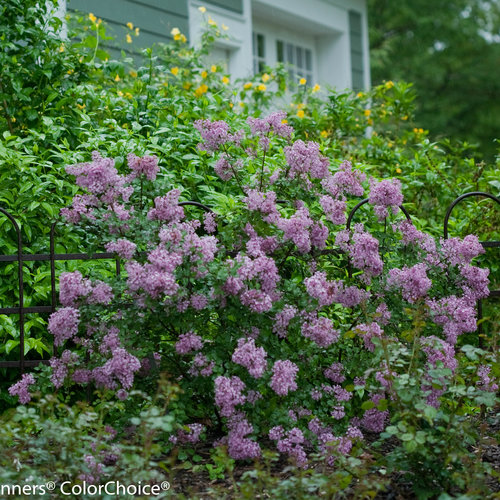
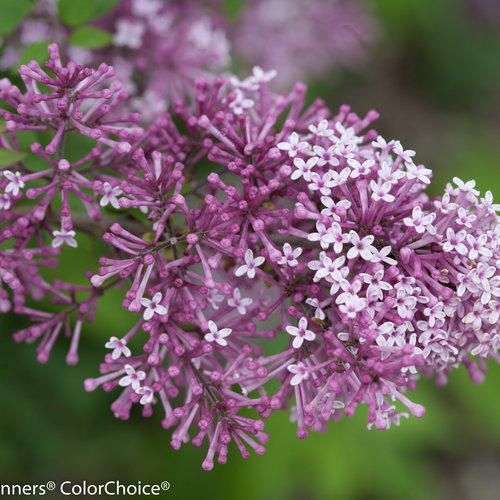
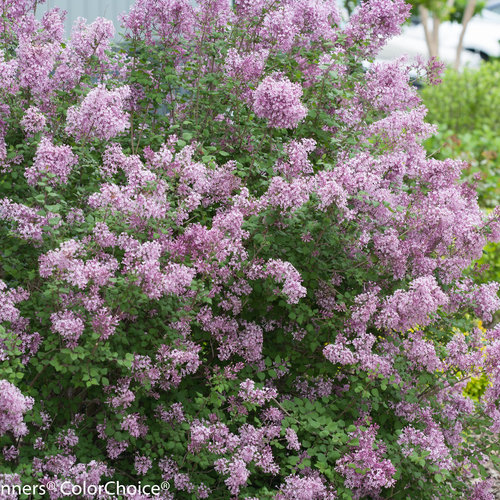
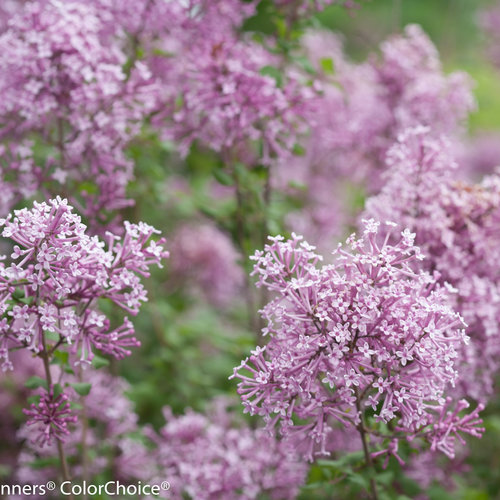
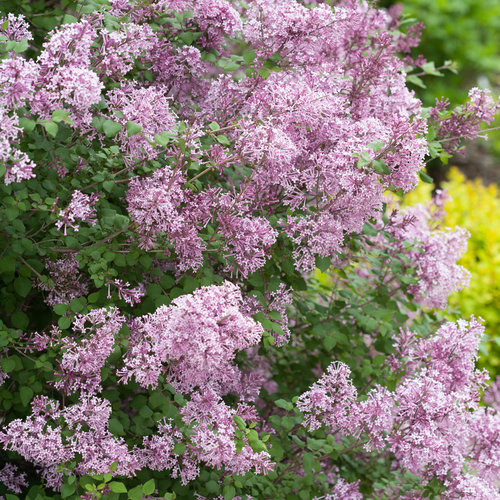
Bloomerang Purple lilac is the original reblooming lilac. It blooms in spring along with other lilacs, takes a brief rest to put on new growth, then blooms again from mid-summer through fall. A bit smaller than other lilacs bushes, Bloomerang also has a nice, rounded shape that looks great anywhere you plant it in the landscape. Star-like flowers are a beautiful shade of classic lilac purple and are sweetly scented.
Bloomerang lilacs are also noted for their exceptional disease resistance - no worries about ugly white or brown foliage to spoil the floral show. And like other lilac bushes, it is sun-loving and deer resistant, so it makes an easy plant care choice for years of beauty.
Top reasons to grow Bloomerang lilac:
- It's reblooming! It doesn't only bloom once in spring - it also blooms summer through fall.
- Disease resistant. Doesn't get ugly from fungus and bacteria like older lilacs can.
- Neat, rounded shape looks good in the landscape or garden.
Fragrant FlowerContinuous Bloom or RebloomerFall InterestAttracts:ButterfliesResists:DeerCHARACTERISTICS
Plant Type:ShrubShrub Type:DeciduousHeight Category:MediumGarden Height:48 - 60 Inches1.2m - 1.5mSpacing:60 - 72 Inches 1.5m - 1.8mSpread:48 - 60 Inches 1.2m - 1.5mFlower Colors:PurpleFlower Shade:LavenderFoliage Colors:GreenFoliage Shade:GreenHabit:MoundedContainer Role:ThrillerPLANT NEEDS
Light Requirement:SunThe optimum amount of sun or shade each plant needs to thrive: Full Sun (6+ hours), Part Sun (4-6 hours), Full Shade (up to 4 hours).
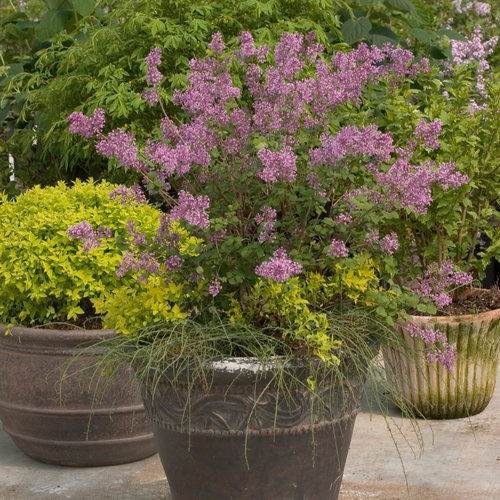
Maintenance Category:ModerateBlooms On:New WoodOld WoodBloom Time:Early SummerMid SummerLate SummerEarly FallMid FallMid SpringLate SpringHardiness Zones:3a, 3b, 4a, 4b, 5a, 5b, 6a, 6b, 7a, 7bWater Category:AverageNeeds Good DrainageUses:Border PlantContainerCut FlowerLandscapeMass PlantingUses Notes:A classic addition to foundation plantings and mixed borders. Bloomerang lilac is also a popular choice for easy planting in decorative containers - learn more here.
Maintenance Notes:Plant only in full sun and well-drained soil; lilacs cannot tolerate soggy, wet conditions.
The rebloom of Bloomerang lilac bush occurs on the new growth the plant creates after its spring bloom. For the best rebloom, it's vital that the plant grows vigorously during late spring and early summer. Do this by keeping it well-watered and mulched and in plenty of sun (six hours a day at least). If you wish to fertilize it, you may do so in early spring, once the ground has thawed, and again in late spring, after it blooms.
If you want to prune Bloomerang lilac, do so immediately after its spring bloom. Never cut it back in fall, winter, or early spring - doing so will remove the spring flower buds. It is not necessary to prune Bloomerang lilac in order for it to rebloom. However, giving it a light trim after blooming does remove the developing seed heads (they look like green bananas, and some people don't care for the way they look on the plant), providing a neater look, and encourages more new growth for reblooming. Trimming after blooming will delay the rebloom by a few weeks compared to an untrimmed Bloomerang lilac.
Like nearly all lilacs bushes, Bloomerang lilac actually requires a period of cold weather in order to bloom well. This is why lilacs are not typically suited to warmer climates. However, they are very, very cold tolerant and thrive in climates as cold as USDA zone 3.
Fun Facts:The botanical name of lilac, Syringa (suh-RIN-gah), is from the Greek word syrinx, which means tube. This is because the stems of lilac contain a spongy pith which can be remove, leaving a hollow tube that has traditionally been used to create pan-pipes.
Bloomerang® Purple Syringa x 'Penda' USPP 20,575, Can 4,071Picturesand Information Copied from Proven Winners
Syringa x Bloomerang Dark Purple ('SMSJBP7') - Bloomerang Dark Purple Lilac (PW) - This lilac is a rebloomer that may continue blooming until frost. The dark purple blooms are very fragrant. Grows 1-2' per year. Since lilac root systems are shallow, they can only reach the base of shallow foundations. If you have a deep foundation, there is little risk of damage. Another condition for foundation damage from lilacs is a heavy soil, such as clay, that swells when wet and shrinks dramatically when dry. Use Bone Meal when you first plant. Do not fertilize the first year. Fertilize once a year with a balanced granular fertilizer. Do not plant any deeper than it is in the pot. Do not add any soil or mulch around the base of the stem. Water deeply once a week for about 20-30 minutes whether is rains or not. Plant at least 3-4 feet from any foundation.
Zone 3. 1.75m W x 1.75m H. Upright, rounded shape. Dark purple flowers in May. Insignificant fruit on green foliage turning an insignificant fall colour. Full sun. Adaptable soil. 3Gallon.
Attracts all pollinators. Deer resistant.